
 Português
What are the advantages of new energy high-pressure cleaning vehicles?
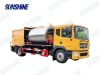
New energy high-pressure cleaning vehicles(typically electric or hybrid models)come with several key advantages over traditional fuel-powered high-pressure cleaning vehicles,particularly in terms of environmental sustainability,cost efficiency,and performance.Here are the main advantages:
1.Environmental Benefits
Zero Emissions
Electric vehicles produce zero tailpipe emissions,unlike traditional diesel or gasoline-powered vehicles,which release harmful pollutants like carbon dioxide(CO2),nitrogen oxides(NOx),and particulate matter(PM).
This helps in improving urban air quality and reducing the carbon footprint of city operations,supporting climate change mitigation goals.
Reduced Noise Pollution
Traditional fuel-powered high-pressure cleaning vehicles can generate loud engine noises,especially in residential or urban areas.Electric vehicles are much quieter,reducing noise pollution and making them suitable for use during early morning or late-night cleaning operations without disturbing residents.
Reduced noise also contributes to a more pleasant urban environment,enhancing the quality of life for city dwellers.
Lower Local Pollution
Traditional high-pressure cleaning vehicles can emit harmful fumes,including hydrocarbons and particulate matter.With no exhaust emissions,electric cleaning vehicles eliminate this source of local pollution,further reducing air and health-related risks in busy urban areas.
2.Cost Efficiency
Lower Operating Costs
Electricity costs are generally lower than diesel or gasoline,making electric high-pressure cleaning vehicles more cost-effective to operate over the long term.
Lower Maintenance Costs:Electric vehicles have fewer moving parts compared to internal combustion engine vehicles,reducing the likelihood of mechanical breakdowns and the frequency of maintenance.For example,there's no need for oil changes,and electric motors generally last longer with fewer parts to wear out.
Incentives and Subsidies
Many regions offer financial incentives for adopting electric or hybrid vehicles,including tax rebates,subsidies,or grants,which can help reduce the initial cost of purchasing new energy vehicles.
These financial benefits make it more affordable for municipalities or companies to transition to new energy high-pressure cleaning vehicles.
3.Energy Efficiency
Higher Efficiency
Electric motors are more efficient than internal combustion engines.They convert a higher percentage of energy from their power source into usable power to perform the cleaning task.
This higher energy conversion efficiency means that less energy is wasted as heat,making electric high-pressure cleaning vehicles more efficient in their operation.
Regenerative Features
Some electric vehicles feature regenerative braking systems that capture energy during braking and convert it back into electricity,which is stored in the vehicle's battery.This reduces the overall energy consumption and improves overall energy efficiency.
4.Improved Performance
Consistent Power Delivery
Electric motors provide consistent torque and power throughout the operation,leading to more efficient and powerful cleaning performance.This is especially useful for high-pressure cleaning,as electric vehicles can maintain stable and strong pressure for longer periods,without the fluctuations in power often seen in fuel-powered engines.
Faster Start-Up and Instant Power
Electric vehicles have an instant start-up capability,without the need to warm up an engine,which improves operational readiness and efficiency.This makes electric high-pressure cleaning vehicles more responsive and efficient,especially in urban settings where time and efficiency are crucial.
5.Sustainability and Environmental Impact
Alignment with Green Goals
As cities move toward sustainable development and green infrastructure,transitioning to electric cleaning vehicles supports broader environmental goals.These vehicles help reduce overall carbon emissions from urban operations,contributing to cleaner,greener cities.
Support for Renewable Energy Integration
Electric vehicles can be charged using renewable energy sources,such as solar,wind,or hydropower,further reducing their carbon footprint.This makes them an integral part of urban sustainability efforts and green energy transitions.
6.Reduced Fossil Fuel Dependence
Less reliance on fossil fuels:By using electricity instead of diesel or gasoline,these vehicles help cities reduce their dependency on fossil fuels and contribute to energy diversification.
This reduces vulnerability to fuel price fluctuations and supports the transition to a more resilient and sustainable energy system.
7.Flexibility and Versatility
Operational Flexibility
Electric high-pressure cleaning vehicles can be used in a variety of urban environments without the same operational restrictions or concerns about air quality or noise that come with traditional fuel-powered vehicles.They are ideal for cleaning residential neighborhoods,shopping districts,public parks,and even indoor spaces like malls or warehouses.
Smaller Footprint
Many electric vehicles are more compact than their diesel counterparts,allowing them to access narrow streets or hard-to-reach areas for cleaning tasks.Their quiet and efficient operation also makes them ideal for use in spaces where traditional vehicles would be too noisy or disruptive.
8.Enhanced Public Image and Corporate Social Responsibility(CSR)
Green Branding
Cities and companies that use electric or hybrid cleaning vehicles can improve their public image by aligning with eco-friendly practices and contributing to urban sustainability goals.
As more consumers and residents prioritize green initiatives,adopting new energy vehicles enhances the organization’s corporate social responsibility(CSR)and can improve public perception.
9.Improved Health Benefits
By eliminating tailpipe emissions,electric vehicles help reduce exposure to harmful air pollutants like NOx and PM,which are associated with respiratory and cardiovascular diseases.
Cleaner air and a quieter environment can also improve mental health by reducing stress and noise-related health issues,leading to better public health outcomes for urban populations.
10.Adaptability to Future Technologies
New energy high-pressure cleaning vehicles are more adaptable to future technological advancements,including improvements in battery technology,smart cleaning systems,and autonomous vehicles.As technology evolves,these vehicles can be upgraded more easily,extending their operational lifespan and integrating with smart city infrastructure.
Summary:Key Advantages
Zero emissions and reduced environmental impact.
Lower operating and maintenance costs.
Higher energy efficiency and instant power delivery.
Reduced noise pollution for quieter urban environments.
Increased operational flexibility and versatility in cleaning tasks.
Contribution to sustainability and green energy goals.
Positive public image and corporate responsibility enhancement.
Health benefits due to cleaner air and reduced pollutants.
As cities worldwide move toward sustainable practices and green infrastructure,new energy high-pressure cleaning vehicles play a crucial role in shaping cleaner,quieter,and more energy-efficient urban environments.
Related News



Contact US
Product Information
Quantity
Unit
Piece
Support order samples, customization, wholesale direct, and complete payment. If the product you look for does not have corresponding customized content, pls fill out the form below to contact us, and we will reply ASAP.