
 Português
How much impact do new energy high-pressure cleaning vehicles have on energy conservation and emission reduction?
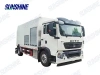
New energy high-pressure cleaning vehicles,particularly electric or hybrid models,have a significant impact on energy conservation and emission reduction in urban cleaning and maintenance operations.Here’s how they make a difference:
1.Energy Conservation:
Higher Energy Efficiency:Electric high-pressure cleaning vehicles are generally more energy-efficient than their diesel-powered counterparts.The electric motor in these vehicles has a higher energy conversion efficiency compared to internal combustion engines.This means that for the same amount of energy input,electric vehicles can do more work,thereby conserving energy.
Reduced Fuel Consumption:Diesel and gasoline-powered vehicles have lower fuel efficiency and lose a significant amount of energy as heat.On the other hand,electric vehicles(EVs)use electricity more efficiently,resulting in lower overall energy consumption per cleaning operation.
Regenerative Systems:Many electric vehicles incorporate regenerative braking systems,which capture and store energy that would otherwise be lost during braking.This energy can be used to power the vehicle’s systems,such as the high-pressure water pump,further reducing overall energy consumption.
2.Reduction in Greenhouse Gas Emissions(GHG):
Zero Tailpipe Emissions:Electric high-pressure cleaning vehicles produce zero direct emissions at the point of use.Traditional fuel-powered vehicles emit pollutants such as carbon dioxide(CO2),nitrogen oxides(NOx),and particulate matter(PM).These emissions contribute to air pollution,global warming,and health issues in urban populations.
CO2 Emissions:According to estimates,an electric vehicle can cut CO2 emissions by over 50-60%compared to a diesel-powered vehicle,depending on the energy source used to charge the EV.If the electricity is generated from renewable sources(e.g.,solar,wind),the reduction in CO2 emissions is even more substantial.
Air Quality:The use of electric cleaning vehicles helps improve urban air quality by eliminating the pollutants typically produced by diesel engines,contributing to lower levels of smog and respiratory diseases in the city.
Reduction in Nitrogen Oxides(NOx)and Particulate Matter(PM):Diesel engines are significant sources of NOx and PM,both of which have severe health impacts,including respiratory and cardiovascular diseases.Electric vehicles,which have no tailpipe emissions,help eliminate these harmful pollutants from urban environments.
3.Noise Pollution Reduction:
While not directly linked to energy conservation,the reduction in noise pollution achieved by electric high-pressure cleaning vehicles also contributes to environmental benefits.Electric motors produce much less noise compared to internal combustion engines,which can be particularly useful in residential areas or cities with noise-sensitive zones.
Lower noise levels result in a more pleasant urban environment,reducing stress for residents and workers,and making nighttime cleaning operations feasible without disturbing the peace.
4.Sustainability and Circular Economy:
Electricity as a Cleaner Energy Source:When charged using electricity generated from renewable sources,new energy cleaning vehicles become part of the broader green energy transition.This supports a circular economy where the vehicle's operation contributes to sustainable practices,reducing the reliance on fossil fuels and decreasing overall environmental impact.
Longer Vehicle Lifespan:Electric vehicles typically have fewer moving parts and lower maintenance requirements compared to internal combustion engine vehicles.This leads to less resource consumption over time due to fewer repairs and parts replacements.Moreover,batteries in electric vehicles can be recycled at the end of their life,further supporting sustainability efforts.
5.Reduction in Fuel Dependency and Fossil Fuel Consumption:
Lower Fossil Fuel Usage:New energy high-pressure cleaning vehicles reduce reliance on fossil fuels like diesel and gasoline,helping to cut down on overall fuel consumption.This is especially important for cities aiming to reduce their carbon footprint and energy dependence.
Energy Security:As cities transition toward renewable energy sources to charge electric vehicles,they increase energy security and reduce their dependence on imported fossil fuels,which can fluctuate in price and availability.
6.Operational Efficiency and Cost Savings:
Lower Operational Costs:The electricity required to run electric high-pressure cleaning vehicles is generally cheaper than diesel fuel.Additionally,maintenance costs for electric vehicles are typically lower due to fewer moving parts and no need for regular oil changes or exhaust system repairs.
Cost-Effective for Cities:While the initial investment in electric vehicles may be higher,the savings in fuel and maintenance costs can make them more cost-effective in the long term,especially when combined with government incentives and subsidies for green technologies.
Reduced Carbon Footprint in Operations:The transition to electric high-pressure cleaning vehicles helps businesses and municipalities meet sustainability goals,reduce their carbon footprint,and align with green procurement policies set by local or national governments.
7.Broader Impact on Climate Change Mitigation:
Global Climate Goals:By reducing emissions from the transport sector(which is one of the largest sources of global greenhouse gas emissions),the widespread use of new energy vehicles like high-pressure cleaning trucks contributes to global climate change mitigation efforts.This is especially relevant as cities and countries aim to meet international climate agreements,such as the Paris Agreement,which sets targets to limit global warming to well below 2°C.
Summary:
New energy high-pressure cleaning vehicles make a substantial impact on energy conservation and emission reduction by:
Improving energy efficiency and reducing overall energy consumption.
Eliminating tailpipe emissions,particularly CO2,NOx,and PM,significantly improving air quality and public health.
Reducing noise pollution,creating more comfortable urban environments.
Supporting the transition to renewable energy sources,promoting long-term sustainability and reducing dependence on fossil fuels.
Lowering operational costs for municipalities and businesses,making them a more economical and environmentally friendly choice in the long term.
Overall,these vehicles play a crucial role in helping cities reduce their environmental footprint,meet climate targets,and move toward a cleaner,more sustainable future.
Related News







Contact US
Product Information
Quantity
Unit
Piece
Support order samples, customization, wholesale direct, and complete payment. If the product you look for does not have corresponding customized content, pls fill out the form below to contact us, and we will reply ASAP.