Our Products

Specializing in the research, development, production, and sales of intelligent vehicle networking systems for various types of environmental sanitation equipment such as new energy sanitation vehicles, new energy garbage trucks, and new energy cleaning vehicles...

01

New Energy Garbage Truck

View More
Side Gusset Pouch

02

New Energy Road Maintenance Vehicle

View More
Side Gusset Pouch

03

New Energy Tractor

View More
Side Gusset Pouch

04

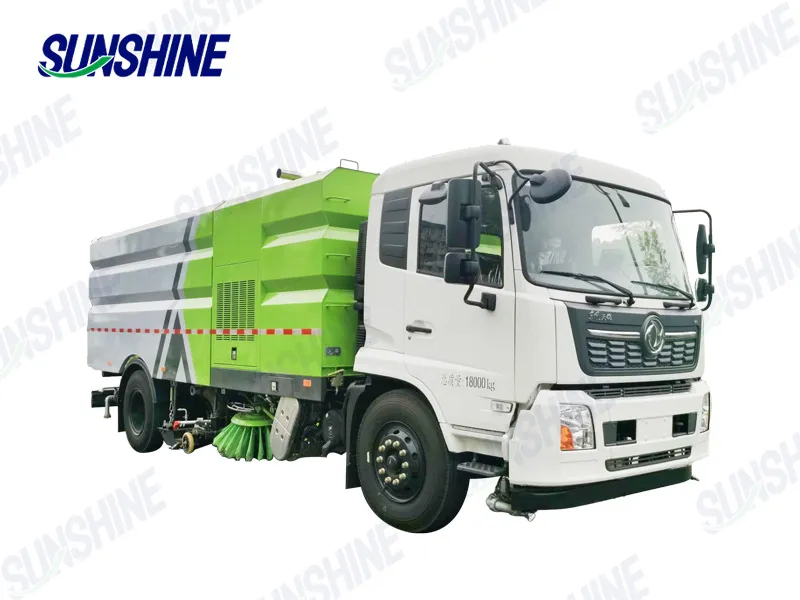
New Energy Sweeper

View More
New Energy Sweeper

05

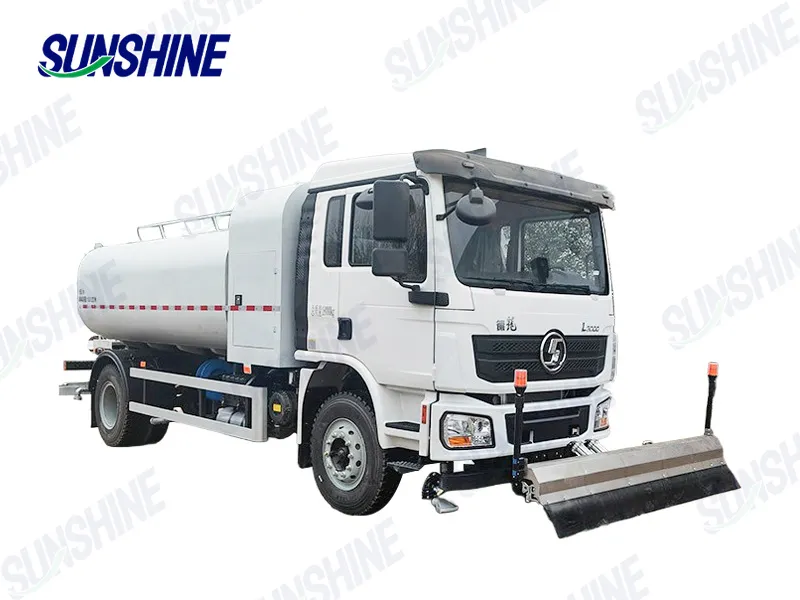
New Energy Cleaning Vehicle

View More
Side Gusset Pouch

06

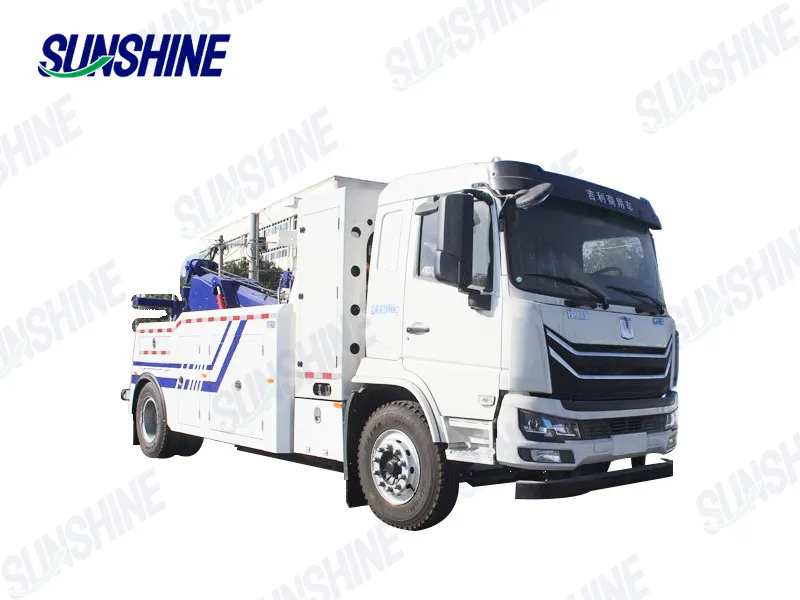
New Energy Tow Truck

View More
Side Gusset Pouch

Our Services

Specializing in the research, development, production, and sales of intelligent vehicle networking systems for various types of environmental sanitation equipment such as new energy sanitation vehicles, new energy garbage trucks, and new energy cleaning vehicles...

Highly trained and motivated teams

We have extensive experience and can be proud of 10 000+ successfully completed projects. Hire us for your next project and enjoy the results.

Custom-tailored approach

We are devoted to long-term relationships with customers. We appreciate each client and consider all the demands throughout our cooperation.

Multifunctional programs

We offer a diverse variety of multifunctional programs which include the needed set of features and support services to help you deal with your issue.

Introduce

About Our Company

Zhongke Shangsheng New Energy Vehicle Co., Ltd. specializes in the research and development and production of various new energy sanitation vehicles, including new energy garbage trucks, new energy sweepers, kitchen trucks, road sweepers, cleaning vehicles, water sprinklers, and dust suppression vehicles.

EXPLORE

Our Advantages

Specializing in the research, development, production, and sales of intelligent vehicle networking systems for various types of environmental sanitation equipment such as new energy sanitation vehicles, new energy garbage trucks, and new energy cleaning vehicles...

Environmental

New energy sanitation vehicles (especially electric sanitation vehicles) use clean energy and do not produce exhaust emissions during operation, effectively reducing the emission of harmful gases such as PM2.5, carbon dioxide and nitrogen oxides, and complying with increasingly stringent environmental protection policies and standards around the world.

learn more

Technological innovation

Continuous innovation in battery technology (such as lithium batteries and solid-state batteries) by new energy sanitation vehicle manufacturers has significantly improved the energy density, charging speed, and service life of batteries, meeting the high-intensity and long-duration operating requirements of urban sanitation vehicles.

learn more

Brand reputation

New energy sanitation vehicle manufacturers are often able to enhance their brand image and gain favor with the market and government by leveraging environmental protection concepts. Through continuous innovation, they can establish a good market reputation.

learn more

Cross-industry collaboration

During the development process, new energy sanitation vehicle manufacturers usually cooperate with charging facility suppliers, urban management companies, environmental protection agencies, etc. to jointly promote the promotion and application of new energy sanitation vehicles.

learn more

Our News

We have an excellent technical team,who can help to optimize your design accordinc to customers requirements

Are new energy sprinkler trucks adaptable to various weather and road conditions?

Are new energy sprinkler trucks adaptable to various weather and road conditions?

New energy sprinkler trucks have certain advantages in adapting to diverse weather and road conditions, but they also face challenges. Overall, with technological advances, new energy sprinkler trucks are gradually improving their performance in various complex environments. However, further improvement is still needed in extreme weather and specific road conditions. The following is an analysis of the adaptability of new energy sprinkler trucks in various weather and road conditions:1. Performance in Rainy or Wet WeatherAdaptability: In rainy or humid conditions, the need for new energy sprinkler trucks is generally reduced, as rainwater itself has a cleansing effect. However, in certain situations, such as humid air or flooded roads, sprinkler trucks can still suppress airborne dust and pollutants through micro-spraying.Challenges: During periods of sustained heavy rain, the sprinkler truck's water flow may need to be automatically adjusted to avoid conflict with natural precipitation. In these situations, intelligent water flow control systems can regulate water flow and avoid wasting water resources.2. Performance in Drought or High Temperature WeatherAdaptability: The advantages of new energy sprinkler trucks are particularly evident in drought. Thanks to their precise water flow control system, they can conserve water and avoid excessive waste. Especially in urban green spaces or on highways, sprinkler trucks can help control dust, maintain air humidity, and improve road conditions.Challenges: In extremely hot environments, sprinkler trucks may require increased water volume to mitigate dust caused by the heat, especially in areas prone to sandstorms. In these situations, the water recovery and circulation systems of new energy sprinkler trucks are particularly important, reducing water consumption.3. Performance in Cold WeatherAdaptability: New energy sprinkler trucks also offer good adaptability in cold winters. They utilize temperature control systems to prevent the water pumps and nozzles from freezing. Advanced electric systems and battery technology generally maintain stable operation in low temperatures, ensuring the vehicles can complete their watering tasks.Challenges: In extremely cold weather, if sprinkler trucks use aqueous solutions, they must use antifreeze to prevent the water pipes and nozzles from freezing. Furthermore, the battery life of new energy sprinkler trucks may be affected in extremely cold conditions, requiring specially designed insulation systems to extend battery life. 4. Performance in High Humidity or HazeAdaptability: New energy sprinkler trucks also perform well in high humidity or haze weather. Haze can easily degrade air quality. New energy sprinkler trucks effectively suppress dust and airborne particulate matter through micro-spraying or ultra-fine spraying, thereby improving air quality.Challenges: In very humid environments, the water flow of sprinkler trucks may require more precise control to prevent water accumulation or excessive moisture from impacting traffic safety and pedestrian movement. Therefore, the onboard intelligent water flow control system needs to be more sensitive.5. Performance in Complex Urban Road EnvironmentsAdaptability: New energy sprinkler trucks perform well in complex urban road environments, especially in narrow streets, congested urban areas, and busy commercial districts. Their intelligent dispatching system and precise route planning enable them to flexibly adapt to complex traffic conditions and achieve efficient operations.Challenges: On some urban roads, especially older roads and congested areas, new energy sprinkler trucks may be affected by obstacles such as potholes, traffic flow, and parked vehicles. These vehicles require obstacle avoidance systems and flexible route adjustment capabilities to avoid disrupting normal operations. 6. Performance in Rural or Countryside RoadsAdaptability: New energy water trucks also perform exceptionally well on rural or country roads. Many new energy water trucks are equipped with high-travel tires and off-road capabilities, enabling them to navigate unpaved roads or rugged terrain while maintaining efficiency.Challenges: On muddy or uneven roads, the water truck's powertrain and body stability require special optimization to ensure stable operation and safe driving.7. Performance in Mountainous or Slope-Like EnvironmentsAdaptability: On hilly or sloped roads, new energy water trucks are typically equipped with efficient powertrains and intelligent adjustment functions, ensuring stable operation and avoiding uneven water flow or vehicle instability caused by steep slopes.Challenges: Mountain roads can feature complex terrain and difficult gradients, placing higher demands on the vehicle's traction, powertrain, and suspension systems. Furthermore, high altitudes may affect battery life, requiring optimization of the vehicle's battery management system. 8. Performance in Windy and Sandy WeatherAdaptability: In areas prone to windy and sandy weather or frequent sandstorms, new energy sprinkler trucks can effectively reduce dust pollution through high-pressure spray and increased water flow, while also reducing airborne dust levels and improving road visibility and air quality.Challenges: Windy and sandy weather poses challenges to the cleaning effectiveness of sprinkler trucks. Strong winds can disperse the water sprayed by the truck, affecting its cleaning effectiveness. In such situations, the vehicle's spraying technology and water flow control must be more precise to cope with windy and sandy conditions.Summary:New energy sprinkler trucks are highly adaptable and can handle most weather and road conditions. However, in extreme climates (such as extreme high and low temperatures, windy and sandy weather) and complex road conditions (such as mountainous and muddy roads), they still require intelligent control systems, advanced sensor technology, flexible path planning, and optimized vehicle structure to ensure optimal operation. Therefore, the development of new energy sprinkler trucks requires continuous technical optimization to adapt to a wider range of environments and diverse operational requirements.

09-19-2025

From traditional fuel vehicles to new energy high-pressure cleaning vehicles, what changes will urban cleaning work usher in?

From traditional fuel vehicles to new energy high-pressure cleaning vehicles, what changes will urban cleaning work usher in?

The transition from traditional fuel-powered vehicles to new energy high-pressure cleaning vehicles signals a profound transformation in multiple aspects of urban cleaning.This impacts not only environmental protection and operational efficiency,but also technological innovation,cost control,and social responsibility.The following are the key changes:1.Environmental Protection and Sustainable DevelopmentReduced Carbon Emissions:Traditional fuel-powered high-pressure cleaning vehicles rely on diesel or gasoline,producing significant amounts of greenhouse gases and harmful gases(such as carbon dioxide and nitrogen oxides).New energy high-pressure cleaning vehicles,powered by electricity,produce virtually zero emissions,significantly reducing their carbon footprint and making a positive contribution to urban air quality and environmental protection.Reduced Noise Pollution:Traditional fuel-powered vehicles generate significant noise from their engines and exhaust systems,which can impact residents'quality of life during urban cleaning operations,especially during early morning or evening operations.New energy high-pressure cleaning vehicles,due to their electric drive,are extremely quiet,allowing them to operate at more flexible times(such as at night or early morning)without disturbing residents.Water Conservation:New energy high-pressure cleaning vehicles are equipped with water recycling and recovery systems to minimize water waste.This is a significant advantage over traditional cleaning vehicles,especially in cities with limited water resources,where water recycling and reuse are crucial for ecological protection.2.Improved Cleaning Efficiency and QualityPrecise Cleaning Capabilities:New energy high-pressure washing vehicles utilize an intelligent control system that automatically adjusts the water flow and pressure based on road conditions and contamination levels,achieving efficient and precise cleaning results.In contrast,traditional fuel-powered vehicles often require manual adjustments,which introduces uncertainty and inefficiencies.Fewer Washes:Thanks to their high-pressure water jets and efficient cleaning capabilities,new energy high-pressure washing vehicles can quickly remove stubborn stains,reducing the frequency and time of cleaning,thereby improving efficiency.Integrated Multi-Functionality:New energy high-pressure washing vehicles often incorporate not only cleaning functions but also vacuuming and garbage collection.This allows urban cleaning operations to utilize a single vehicle for multiple purposes,improving overall efficiency and cleaning results.3.Reduced Operating Costs and Improved Economic EfficiencyEnergy Cost Savings:Compared to traditional fuel-powered washing vehicles,new energy high-pressure washing vehicles typically have lower electricity costs than fuel,making long-term operating costs more economical,especially in cities with reasonable electricity prices.With advances in battery technology,charging costs for electric high-pressure washing vehicles will continue to decrease.Low Maintenance Costs:The electric systems of new energy high-pressure cleaning vehicles are simpler than traditional fuel-powered engines,requiring less maintenance and significantly reducing repair costs.The structure of electric motors is less complex than that of traditional engines,resulting in relatively low maintenance frequency and costs over long-term use.Extended Service Life:The battery and power system designs of electric high-pressure cleaning vehicles are maturing,and battery life and charging convenience are continuously being optimized.This helps extend the service life of the vehicles,thereby generating long-term economic benefits.4.Intelligent and Digital ManagementIntelligent Scheduling and Monitoring:New energy high-pressure cleaning vehicles are equipped with advanced GPS positioning and intelligent monitoring systems,providing real-time monitoring of vehicle location,operating status,energy consumption,cleaning performance,and other information.City management departments can conduct remote scheduling and supervision through digital platforms,improving resource allocation efficiency.Data-Driven Decision Support:Real-time data from cleaning vehicles helps management departments evaluate cleaning performance and adjust cleaning plans.This data-driven management approach improves decision-making accuracy,reduces human intervention,and optimizes the overall city cleaning process.Automated Operations:Some new energy high-pressure cleaning vehicles are beginning to experiment with autonomous or semi-autonomous operation,reducing labor costs and further improving efficiency.This intelligent advancement also opens up more possibilities for future urban cleaning operations.5.Enhance Social Image and Corporate ResponsibilityPromoting Green City Construction:Urban management departments'adoption of new energy high-pressure cleaning vehicles not only improves operational efficiency but also promotes the city's green transformation.As urban cleaning operations gradually become low-carbon and environmentally friendly,citizens'living environment will also be greatly improved.Enhancing Corporate Image:For cleaning companies or municipal service providers,adopting new energy cleaning vehicles helps enhance their green image in the eyes of society and customers,demonstrates their commitment to social responsibility,and enhances brand competitiveness and public recognition.6.Adapting to Future Urban Needs and Urban DevelopmentAdapting to Urbanization:As urban populations continue to grow,the demand for cleaning urban streets and public spaces is also increasing.New energy high-pressure cleaning vehicles,with their high efficiency and energy-saving features,can effectively meet large-scale urban cleaning needs,especially in densely populated and heavily polluted urban areas.They are better suited to the challenges of future urban cleaning.Smart Cities and Environmental Management:In the construction of future smart cities,new energy high-pressure cleaning vehicles will be integrated with other smart devices,leveraging the Internet of Things and big data to achieve more intelligent and refined urban management.For example,cleaning vehicles can be connected to smart trash cans,smart streetlights,and other devices to enable data sharing and intelligent scheduling,thereby improving overall urban management.7.Promoting Technological Innovation in the Cleaning IndustrySpurring Technological Innovation:The widespread adoption of new energy high-pressure cleaning vehicles is driving technological innovation in cleaning equipment,from intelligent cleaning to energy efficiency optimization,raising the technical level of the entire industry.This will also encourage further innovation in other related fields,including cleaning equipment,energy management,and automation.Driving the Green Industrial Chain:With the increasing demand for new energy high-pressure cleaning vehicles,related industrial chains such as battery technology,charging infrastructure,and intelligent control systems will also usher in development opportunities.This will drive the overall development of the green industry and promote a more sustainable society.Summary:From traditional fuel vehicles to new energy high-pressure cleaning vehicles,urban cleaning will undergo a comprehensive green transformation.This transformation is not only driven by environmental protection and energy conservation,but also represents an inevitable trend towards efficient,intelligent,and sustainable urban management.New energy high-pressure cleaning vehicles will bring revolutionary changes in cleaning performance,operating costs,environmental protection,and technological innovation,driving future urban cleaning to become more efficient,green,and intelligent.

09-19-2025

Can new energy sprinkler trucks replace traditional fuel vehicles and promote green development in cities?

Can new energy sprinkler trucks replace traditional fuel vehicles and promote green development in cities?

New energy sprinkler trucks have enormous potential in promoting green urban development,especially by replacing traditional fuel-powered sprinkler trucks.They can bring significant environmental benefits and contribute to sustainable development.The following are the roles and advantages that new energy sprinkler trucks can play in this process:1.Reducing pollution and promoting zero emissionsZero emissions:Traditional fuel-powered sprinkler trucks are powered by internal combustion engines.The combustion of diesel or gasoline releases large amounts of carbon dioxide(CO₂),nitrogen oxides(NOx),and particulate matter,all major sources of air pollution.New energy sprinkler trucks(particularly electric and hydrogen fuel cell-powered models)emit no harmful gases and are environmentally friendly,achieving zero emissions.Improving air quality:Reducing the use of traditional fuel-powered vehicles can help improve urban air quality,especially in cities with severe air pollution.Electric sprinkler trucks do not contribute to secondary air pollution during use,further promoting green urban development.2.Low noise levels,improving urban environmental qualityLow noise:Traditional fuel-powered sprinkler trucks,due to the high noise levels of their internal combustion engines,can cause some noise pollution to residents,especially during rush hour.New energy sprinkler trucks typically use electric drive systems,resulting in low or almost no noise.This significantly reduces noise pollution in urban environments,particularly in residential and sensitive areas.Adaptability to urban environments:Electric sprinkler trucks can operate efficiently in quiet urban environments,improving residents'quality of life and aligning with the green and sustainable development concepts of modern cities.3.Energy Saving and EfficiencyHigher Energy Utilization:New energy sprinkler trucks typically use electric drive systems,which offer higher energy efficiency than traditional fuel-powered vehicles.For example,electric motors can achieve energy conversion efficiencies exceeding 90%,while traditional internal combustion engines typically only have efficiencies of 30%-40%.Energy Conservation:By utilizing electric drive systems and renewable energy sources(such as solar and wind power),new energy sprinkler trucks can achieve significant energy savings over the long term.This,especially when energy mixes are optimized and clean energy sources are used,can further promote green urban development.4.Reducing Urban Carbon FootprintReducing Greenhouse Gas Emissions:The promotion and use of new energy sprinkler trucks,especially when charged from clean energy sources,can effectively reduce greenhouse gas emissions.Considering the contribution of urban transportation and public utility vehicles to carbon emissions,replacing traditional fuel vehicles will significantly reduce a city's carbon footprint.Contributing to achieving carbon neutrality goals:Many cities have already set carbon neutrality targets.As a representative source of clean energy,new energy water trucks,replacing traditional fuel-powered water trucks,will directly contribute to achieving these goals and promote the development of low-carbon cities.5.Lower operating costsLower operating costs:The electricity costs of new energy water trucks are generally lower than the fuel costs of traditional fuel-powered vehicles.Especially over long-term use,electric water trucks also have lower maintenance costs,as the failure rate and maintenance requirements of electric motors are far lower than those of internal combustion engines.Furthermore,electric water trucks generally do not require regular oil changes or complex mechanical maintenance,further reducing operating costs.Reducing the impact of energy price fluctuations:New energy water trucks use electricity or hydrogen,which has relatively stable electricity prices.Energy costs can be further reduced by using local renewable energy sources(such as solar and wind power).In contrast,traditional fuel-powered vehicles are more susceptible to fluctuations in international oil prices,making new energy water trucks more economically sustainable.6.Enhance the City's Green ImageIntelligence and Green Technology:New energy sprinkler trucks are not only environmentally friendly in their powertrains,but many new electric sprinkler trucks are also equipped with intelligent management systems.For example,features like real-time water volume monitoring,automatic spray volume adjustment,and intelligent speed control help improve resource efficiency and reduce water waste.These technologies and equipment enhance the city's green image and modernity.Promoting the Development of Green Industries:The widespread adoption of new energy sprinkler trucks has driven the development of green technologies and new energy industries,including battery technology,charging infrastructure,and hydrogen fuel technology,thereby driving the growth of urban green industries.7.Adapting to Future Development TrendsRegulations and Policy Support:Globally,an increasing number of countries and regions are introducing regulations and policies on environmental protection,energy conservation,and low-carbon emissions.For example,many local governments are offering preferential policies such as subsidies,tax exemptions,and priority passage for new energy vehicles,encouraging them to replace traditional fuel vehicles.New energy sprinkler trucks meet these policy requirements and have great potential for future promotion.Meeting the Needs of Urban Sustainable Development:With the acceleration of urbanization,cities are increasingly demanding clean,low-carbon transportation.New energy sprinkler trucks meet the needs of future urban sustainable development and have a promising market prospect.8.Practical Applications and ChallengesBattery Life and Charging:New energy sprinkler trucks require sufficient battery life and charging infrastructure.Frequent charging or battery replacement may be necessary,especially under intensive use.To address these issues,future optimization of battery technology and charging network layout may be necessary.Cost and Initial Investment:Although new energy sprinkler trucks offer low operating costs over the long term,initial investment remains high,particularly in vehicle procurement and charging infrastructure construction.This may present a challenge during the rollout process.SummaryNew energy sprinkler trucks offer significant advantages in promoting green urban development.They can replace traditional fuel-powered sprinkler trucks,providing cities with cleaner,quieter,and more efficient operations.With continued technological advancement and strengthened policy support,new energy sprinkler trucks will play a significant role in improving urban environmental quality,promoting low-carbon city development,and reducing energy consumption and emissions,ultimately achieving the goal of greener and more sustainable urban development.

09-19-2025